Hunan Yibeinuo New Material Co., Ltd.
نقل قول
درباره ما
شریک حرفه ای و قابل اعتماد شما
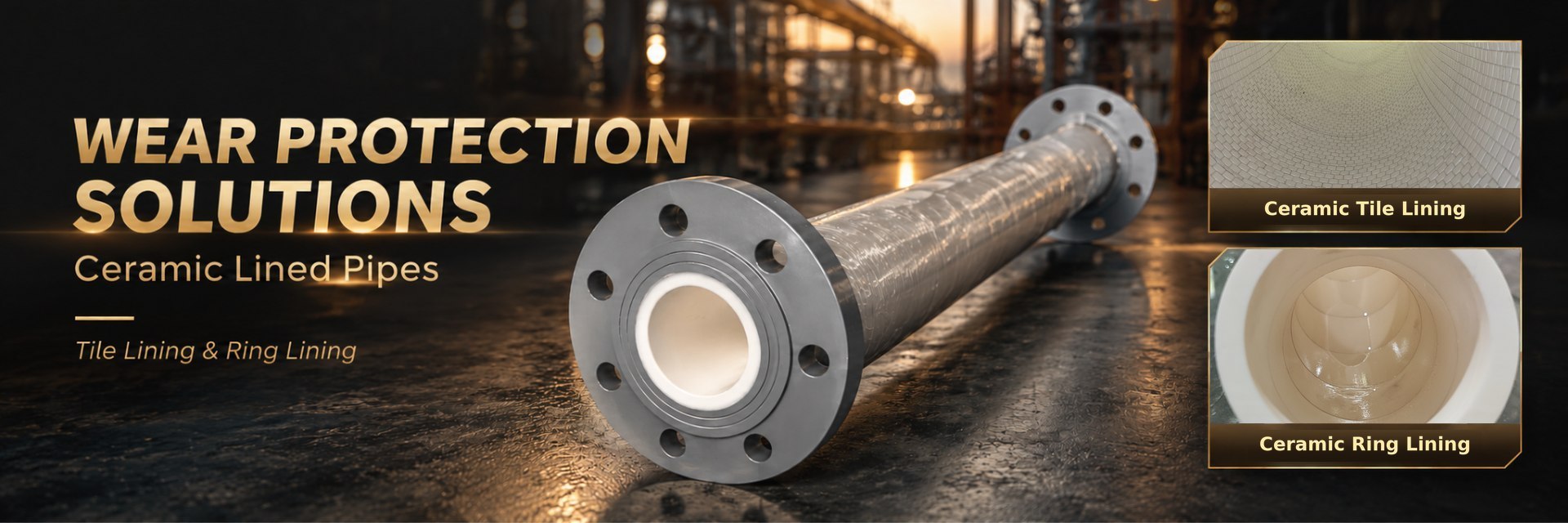
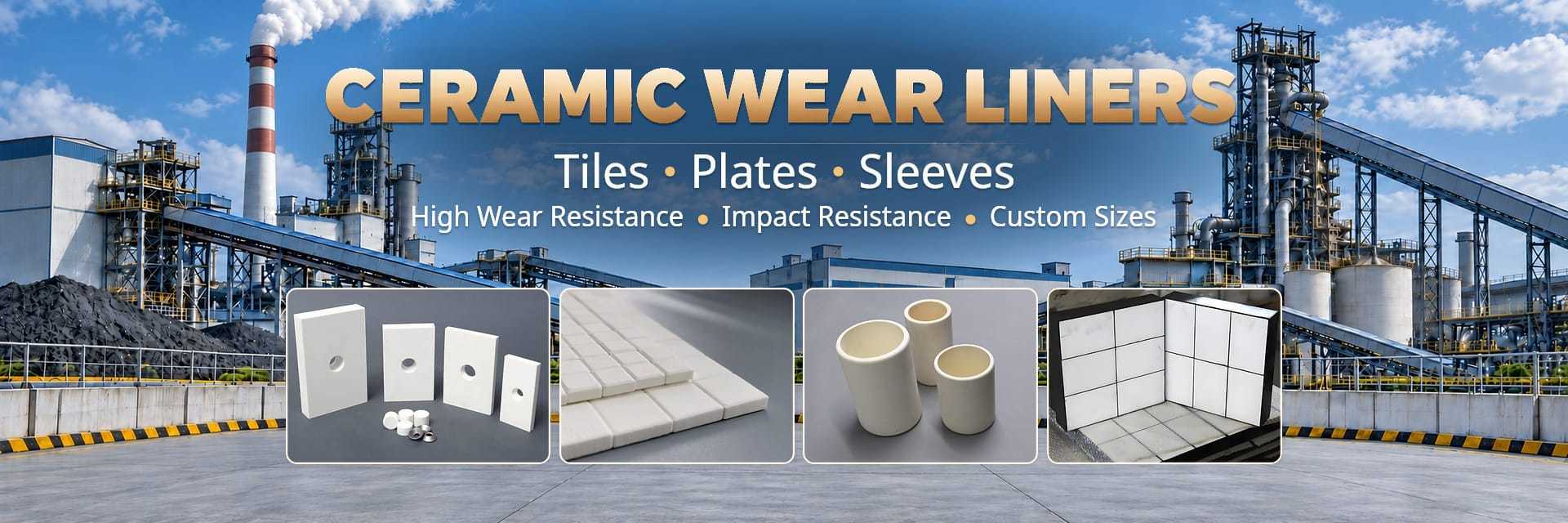
شرکت مواد نوین یی‌بینو هانان با مسئولیت محدود تولیدکننده محصولات سرامیکی مقاوم در برابر سایش و راهکارهای سفارشی حفاظت صنعتی در برابر سایش است. تحت برند Elacera، ما لوله‌های با آستر سرامیکی، لاینرهای لاستیکی سرامیکی، قطعات سرامیکی آلومینا و راهکارهای سفارشی سایش را برای صنایع معدن، سیمان، تولید برق، فولاد، بنادر و سیستم‌های انتقال پنوماتیک ارائه می‌دهیم.درباره ماشرکت مواد نوین یی‌بینو هانان با مسئولیت محدود، که در سال ۲۰۲۰ تأسیس شده است، تولیدکننده محصولات سرامیکی مقاوم در برابر سایش و راهکارهای ...
بیشتر بدانید

0

سال تاسیس

0

میلیون+
کارمندان

0

میلیون+
خدمات به مشتریان

0

میلیون+
فروش سالانه
چین Hunan Yibeinuo New Material Co., Ltd. کنترل کیفیت
مواد خام، تراکم سرامیک، ابعاد و محصولات نهایی قبل از بسته بندی و حمل و نقل بررسی می شوند.
چین Hunan Yibeinuo New Material Co., Ltd. مهندسی سفارشی
پوشش سرامیکی بر اساس نقشه ها، ابعاد تجهیزات، مواد و شرایط عملیاتی واقعی سفارشی می شود.
چین Hunan Yibeinuo New Material Co., Ltd. تولید قابل اطمینان
فرآیندهای تولید پایدار و تکنسین های باتجربه کمک می کنند تا کیفیت ثابت و تحویل به موقع تضمین شود.
چین Hunan Yibeinuo New Material Co., Ltd. خدمات پاسخ سریع
نقل قول در عرض 12 ساعت راه حل های ضد فرسایش 24 ساعت در روز را ارائه دهید کانال های تحویل مناسب: ماشین، قطار، هواپیما، حمل و نقل دریایی و غیره

کیفیت لوله سرامیکی مقاوم در برابر سایش & عقب افتادگی قرقره سرامیکی سازنده

محصولاتی را بیابید که نیازهای شما را بهتر برآورده کنند.
موارد و اخبار
جدیدترین نقاط داغ.
DN80 95% Alumina Ceramic Ring Lined Elbows for Germany
ELACERA supplied two DN80 ceramic ring-lined elbows with 95% alumina ceramic lining for a customer in Germany. The elbows featured a 90° bend, an R500 radius, and loose flange connections. The customer's order, placed in December 2021, included a drawing reference, the bend geometry, and the flange arrangement. These details defined the configuration for this two-piece supply. Supply Details Item Supply Details Quantity 20 elbows Nominal size DN80 Bend angle 90° Bend radius R500 mm Ceramic lining material 95% alumina Lining structure Ceramic ring lining Flange arrangement Two loose flanges per elbow Flange reference DIN 2642, as specified in the original order Matching the Ceramic Lining to the Complete Elbow For a ceramic ring-lined elbow, material selection and dimensional matching need to be reviewed together. The ceramic forms the internal wear-contact surface, while the steel shell provides the outer structure and supports the connections. The drawing review should cover the finished bore, ceramic thickness, transitions between ceramic sections, and lining termination at both ends. The flange dimensions and the mating pipeline also need to be checked together. For a replacement enquiry, these details help establish whether the proposed elbow will fit the available installation space and connect correctly to the adjoining pipework. From Finished Elbows to Export Packing The pre-packing photographs show the two finished elbows with grey-white exterior surfaces and protective covers secured over the openings. Both curved assemblies and their flange connections are visible before wrapping. The packing photographs then show the elbows individually wrapped and placed side by side inside a wooden case. The wrapping covers the curved bodies and end connections. The case exterior carried handling marks for upright positioning, keeping dry and fragile cargo. Together, the photographs record the products before packing, their arrangement inside the case, and the closed case before dispatch. When planning a similar shipment, the complete assembly weight, projecting connections, support and restraint all deserve attention alongside surface protection. Enquiries for Similar Ceramic Ring Lined Elbows For a similar requirement, send ELACERA the drawing, required finished bore, ceramic thickness, bend angle and radius, and flange details. Please also include the conveyed material, operating temperature, pressure, and any available photographs of existing wear. This information helps us review the lining structure and connection requirements for the intended application.
Why Do Ceramic Liner Edges Chip Before the Surface Wears Out?
A ceramic liner can reach a maintenance shutdown with much of its working face still intact. Yet the corners are chipped, pieces are missing along the joints, and the damaged area needs repair. For a mining transfer chute or a coal handling hopper, this is a useful clue. Before specifying thicker ceramic or changing the grade, check how the damage starts and where the material strikes. Follow the Damage Back to the Impact Point Start with close-up photographs of the chipped edges and a wider view showing the feed direction. Mark whether the damage follows the incoming side of the tiles, a change in the chute wall, or the boundary of a previous repair. Repeated contact at an exposed edge can initiate local cracks and break away small fragments while most of the ceramic face remains usable. Check for raised tiles, narrow cut pieces, and abrupt transitions. These details should be reviewed against the actual material path, including changes caused by buildup or variable feed. A damage photograph helps locate the problem; it does not establish the root cause by itself. Review the Support Beneath the Ceramic For bonded tiles, the review should include contact beneath the damaged area and the condition of the attachment. For a mechanically mounted panel, check how the backing plate sits against the equipment and whether the panel can move. Follow the approved installation procedure when investigating or correcting either arrangement. With rubber ceramic liners, the ceramic and rubber need to be assessed together. A 2021 study of ceramic-rubber impact protection found that tile dimensions and rubber properties affected the stresses in the ceramic. Its model also showed that adding rubber to an already adequate backing could offer little improvement when the highest stress came from the tile’s initial response to impact. [2] That makes a universal instruction such as “use thicker rubber” difficult to justify. The proposed construction needs to suit the impact conditions, installation space, and temperature. Consider ZTA After Reviewing the Construction ZTA is worth considering when repeated impact fracture remains a concern. It should be compared with suitable alumina grades for the same duty. In a 2023 laboratory study, ceramic samples underwent edge impact-abrasion tests with corundum particles or steel balls. ZTA25 performed best with corundum, while the tested 95% and 96% alumina grades performed similarly to ZTA25 under the steel-ball condition. [1] The ranking changed with the test condition. These results support reviewing representative impact-abrasion performance; they do not establish a service-life multiplier for a finished liner panel. Give the Supplier Evidence for the Next Selection A useful review starts with the damaged panel, its location, and the operating conditions. Alongside the drawing and required quantity, provide: Damage photographs: close-up and overview photographs showing damage and flow direction. Material information: handled material, normal particle size, and maximum lump size. Impact and loading conditions: drop height, throughput, and any recent operating changes. Operating environment: temperature, wet or dry conditions, and the existing liner construction. Service records: time in service or cumulative tonnage, where recorded. This gives the supplier a basis for deciding whether the next step is a different ceramic grade, a revised panel construction, or a change to the local lining detail. ELACERA provides alumina and ZTA ceramic liner options, including rubber ceramic composite panels. Send the drawing and photographs of the damaged area so we can review the proposed lining against the duty before confirming the replacement specification. https://www.ybnceramic.com/sale-55483328-rubber-ceramic-liners-for-mining-transfer-chutes-elacera.html Technical References [1] Varga et al. Impact-abrasive wear resistance of high alumina ceramics and ZTA. Wear, 522, 204700, 2023. [2] Herr et al. Ceramic-rubber hybrid materials – A way to sustain abrasive heavy impact applications. 13th European LS-DYNA Conference, 2021.
Cyclone Distributor Liners: Alumina or Silicon Carbide?
A cyclone distributor may need repair because of damage around an outlet while much of the body lining remains usable. When that happens, the next question is often whether the whole distributor should be upgraded from alumina to silicon carbide. Before changing the specification, establish where the lining fails and how the outlet connects to the body. A material comparison is more useful when it addresses the location that actually limits service life. Identify the Part That Sets the Maintenance Interval The feed distributor and the hydrocyclone body have different functions. The distributor divides the incoming slurry between cyclone feeds, so its outlet connections deserve their own lining review. During a planned inspection, map the damage against the drawing. Record whether it appears inside an outlet arm, around its entrance, along a ceramic joint, or at the incoming feed connection. Also distinguish gradual material loss from broken or missing lining. These observations help frame the investigation; they should be checked against operating records before a cause is assigned. What a Published Engineering Report Shows A 2018 HMA Wear Solutions report describes a gold-processing application in Central Queensland handling ball mill discharge. The existing alumina-lined distributor suffered premature failure where the outlet arms joined the body. The replacement used SiSiC outlet sections extending into the body, with radius plates protecting the junctions. Tightly fitted alumina remained in the body, and monolithic alumina cylinders at the inlet matched the upstream pipe bore. [1] This was a supplier-reported engineering project. Because material and construction changed together, it does not establish how much improvement came from either change separately. Compare Complete Lining Proposals For a replacement quotation, ask each supplier to show the proposed material arrangement on a section drawing. A quotation stating “silicon carbide lining” leaves several questions unanswered: Which components use silicon carbide, and which grade is proposed? Where does that material meet the alumina lining? What finished internal profile will be produced? How will the lining be supported and retained? Can the outlet sections be inspected or replaced individually? An all-SiC proposal and a mixed-material proposal should be compared against the same drawing, duty and acceptance requirements. The material name alone is insufficient to assess either construction. Define What a Successful Replacement Must Achieve The purchasing specification should state more than ceramic thickness. Confirm the required finished bore, connection dimensions, available installation space, and acceptable internal transitions. Provide the slurry characteristics, normal and maximum flow conditions, temperature, and known operating changes. Where service records exist, identify the component that required maintenance first and the condition of the surrounding lining at that time. This gives the supplier a clearer target than a general request for “longer life.” Start With the Worn Junction For a distributor with repeated outlet damage, the useful decision is whether a proposed lining addresses that junction while remaining practical to manufacture, install and maintain. ELACERA supplies alumina ceramic liners for hydrocyclone applications. For a distributor lining enquiry, send a marked-up drawing, the damage location, and operating information so the material and construction requirements can be reviewed together. https://www.ybnceramic.com/sale-53932773-high-wear-resistant-alumina-ceramic-liner-for-hydrocyclone-durable-efficient.html Technical Reference [1] HMA Wear Solutions. Increasing Wear Life of Cyclone Distributor. Engineering report WEA-CS-0025, August 2018.

2026

10/17

How Long Should Ceramic-Lined Slurry Pipes Last? Look Beyond Month
“This pipe lasted six months” is a useful maintenance record. On its own, however, it is an incomplete basis for comparing ceramic-lined slurry pipes. Two installations may operate for the same number of months while handling different quantities of material under different conditions. Before using service life to compare suppliers, establish what each pipe handled and how its condition was assessed. Record the Duty Behind the Service Period Keep the installation date and operating hours, but also record cumulative throughput wherever reliable data is available. State whether the tonnage represents wet slurry, paste, or dry solids. These quantities should not be used interchangeably. Alongside throughput, retain the material description, solids concentration, particle size information, flow conditions and temperature. Record significant process changes during the service period. A calendar interval becomes much more informative when it is attached to a defined operating duty. What a Field Study Can Tell Us A 2013 Kidd Mine paper reported inspections of a 487 m borehole lined with a ceramic-polymer composite after 3.48 million tonnes of paste throughput. Acoustic measurements indicated average lining wear of 0.92 mm per million tonnes of paste, compared with a design value of 1.1 mm per million tonnes. [1] Those figures describe that installation and lining system. They are not performance ratings for sintered alumina tiles, ceramic rings or another supplier’s pipe. The useful lesson for a purchasing review is the connection between measured condition, material throughput and a clearly identified installation. Agree on the Inspection Method Before Operation Ask what the proposed inspection will actually measure. An external ultrasonic reading of the steel shell should not be presented as a direct measurement of the remaining ceramic unless the method has been validated for that particular assembly. The Kidd Mine paper discusses internal inspection methods, including acoustic surveying and camera inspection. [1] Their suitability for another pipeline depends on access, geometry, lining construction, and the information required. A camera image may reveal visible damage without providing a reliable thickness measurement. Dimensional measurements also need a defined baseline and a method for locating repeat inspections. Track Local Damage Alongside Average Wear Create an inspection drawing with identifiable pipe sections and measurement positions. A practical record should include: Pipe or fitting identification and installation date Baseline dimensions and inspection method Inspection dates and cumulative throughput Repeat readings at defined locations Photographs or observations of local defects Repairs, replacements and operating changes Keep the original readings as well as the calculated results. This allows differences in measurement position or method to be investigated later. Report local damage separately from average wear. An average value can conceal a small area that needs attention before the surrounding lining does. Use the Records to Improve the Next Specification An observed wear rate can support inspection planning, but it should not automatically be treated as a constant rate for the rest of the pipe’s life. Agree on review and replacement criteria with the responsible engineer, considering lining condition, local defects and the pressure-containing steel assembly. For an ELACERA ceramic-lined pipe enquiry, provide the drawing, operating duty and available inspection records. This gives a stronger basis for reviewing lining thickness and construction than a request to match an unspecified number of months. https://www.ybnceramic.com/supplier-4257288-wear-resistant-ceramic-pipe Technical Reference [1] White, A., McGuinness, M. and Newman, V. Pipeline wear solution at Kidd Mine: energy absorbent ceramic composites. Paste 2013, pp. 559–566. DOI: 10.36487/ACG_rep/1363_43_White.

2026

10/17

آیا می توان از لوله های سرامیکی در ۴۰۰ درجه سانتیگراد استفاده کرد؟
برای حمل خاکستری پرنده در دمای بالا، یکی از اولین سوالات معمولا ساده است: آیا یک لوله سرامیکی می تواند به طور مداوم در ۴۰۰ درجه سانتیگراد کار کند؟ جوابش فقط بر اساس آلومينيوم سراميک نيست سرامیک آلومینیوم مقاومت درجه حرارت بالایی دارد، اما یک لوله فولادی پوشه شده با سرامیک یک مجموعه کامل است. فولاد، سرامیک و سیستم تثبیت همه در هنگام تغییر درجه حرارت متفاوت رفتار می کنند. به همین دلیل است که یک پوشش که در دمای عادی به خوبی کار می کند نمی تواند به طور خودکار برای سرویس مداوم در 400 درجه سانتیگراد مناسب باشد. مسئله اصلی گسترش حرارتی است فولاد وقتی گرم می شه خیلی بیشتر از آلومینیوم سرامیکی گسترش پیدا می کنه. در دمای بالا، این تفاوت باعث ایجاد تنش بین پوسته فولادی و پوشش سرامیکی می شود.فشار می تواند مهم تر از خود سخت بودن سرامیک شود. اگر ساختار تثبیت اجازه این حرکت را ندهد، نتیجه ممکن است ترک شدن، شل شدن یا جدا شدن محلی پوشش باشد. به همین دلیل، طراحی دمای بالا باید در نظر داشته باشد: دمای کار مداوم حداکثر دمای چرخه گرمایش و خنک سازی قطر و طول لوله ارتعاش روش ثابت کردن مکان آرنج ها، تی ها و سایر لوازم جانبی با استرس بالا کل سیستم پوشش باید بررسی شود، نه فقط مواد سرامیکی. دمای چسب، دمای سرامیک نیست یک سوء تفاهم رایج دیگر این است که از توانایی دمای سرامیک به عنوان درجه حرارت کامل لوله استفاده شود. این درست نیست. سرامیک ممکن است به دمای بسیار بالاتر نسبت به چسب، لایه بافر یا سایر مواد تثبیت کننده مورد استفاده در مجمع تحمل کند. پس وقتی مشتری می پرسد آیا یک لوله سرامیکی می تواند در ۴۰۰ درجه سانتیگراد کار کند، ما باید ابتدا بدانیمچگونه سرامیک در داخل لوله فولاد ثابت خواهد شد. برای خدمات با دمای بالاتر، روش تثبیت و تنظیمات گسترش حرارتی به طور معمول باید به صورت جداگانه بررسی شوند. لوله های صاف و لوازم جانبی نباید یکسان باشند یک لوله مستقیم و یک آرنج شرایط مکانیکی و حرارتی یکسان را تجربه نمی کنند. آرنج ها، تیز ها و کاهش دهنده ها معمولاً هندسه پیچیده تری دارند و همچنین ممکن است لباس های محلی شدیدتری داشته باشند. این بدان معنی است که روش پوشش انتخاب شده برای یک لوله مستقیم نباید به طور خودکار در هر فیتینگ کپی شود. برای سیستم های خاکستری پرنده با دمای بالا، ما معمولاً قبل از تأیید ساختار سرامیکی نهایی، لوله مستقیم، آرنج ها و لوازم خاص را جداگانه بررسی می کنیم. چه اطلاعاتی باید ارائه شود؟ برای یک بررسی فنی اولیه، مفیدترین اطلاعات معمولا: دمای کار عادی حداکثر دمای اینکه آیا دمای ثابت است یا چرخه ای مواد انتقال داده شده قطر لوله و ضخامت دیواره جهت جریان و سرعت، اگر در دسترس باشد نقشه لوله یا دستگاه با این اطلاعات، ساختار پوشش، ضخامت سرامیک و روش تثبیت را می توان به صورت واقع بینانه تر ارزیابی کرد. برای کاربردهای 400 درجه سانتیگراد، این سوال به سادگی نیستآیا آلومینیوم سرامیک می تواند به 400 درجه سانتیگراد مقاومت کند؟ سوال بهتر اينه که: آیا سیستم کامل لوله های سرامیکی می تواند گسترش حرارتی و شرایط عملیاتی را در 400 درجه سانتیگراد تحمل کند؟ این نکته ای است که باید قبل از تولید لوله تایید شود.

2026

10/14